


On 10 November 2026, TTK University of Applied Sciences (TTK UAS), in cooperation with companies Meridein and Droon.ee, hosted a seminar and demonstration day titled The Rise of Humanoids: The Reality of Robotics Today and the Opportunities of Tomorrow. The event explored the latest developments in robotics and the practical applications of robots and drones.
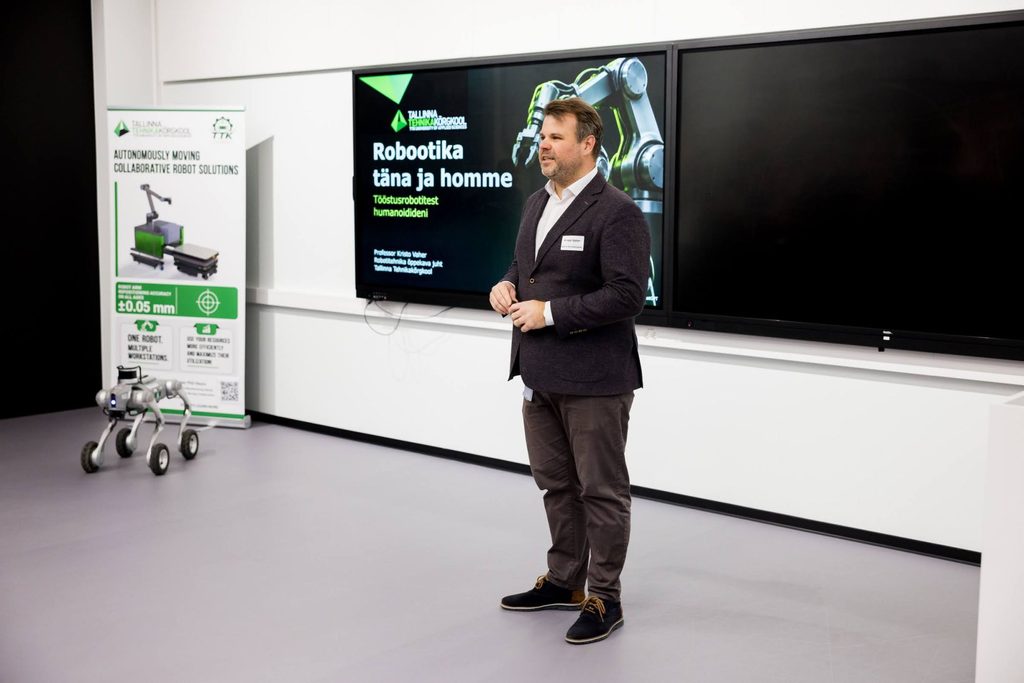
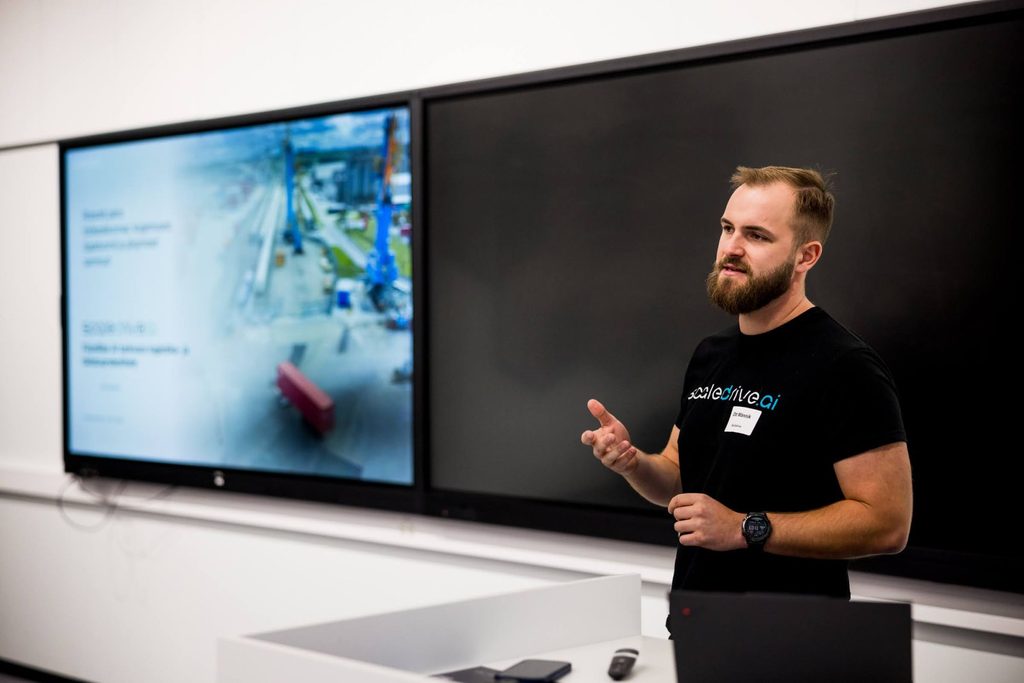
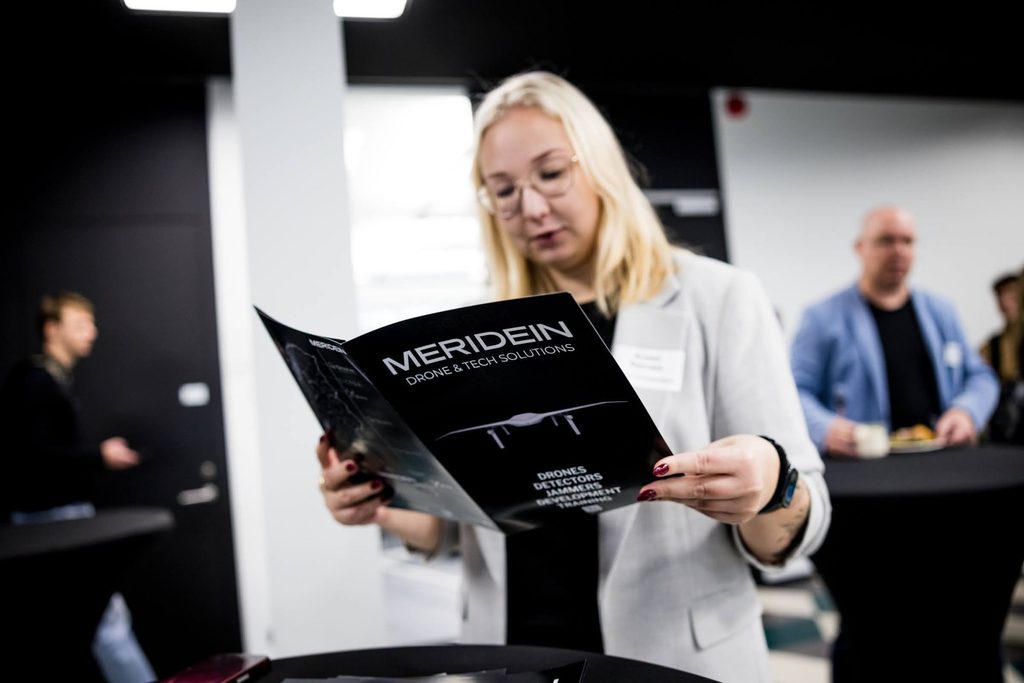
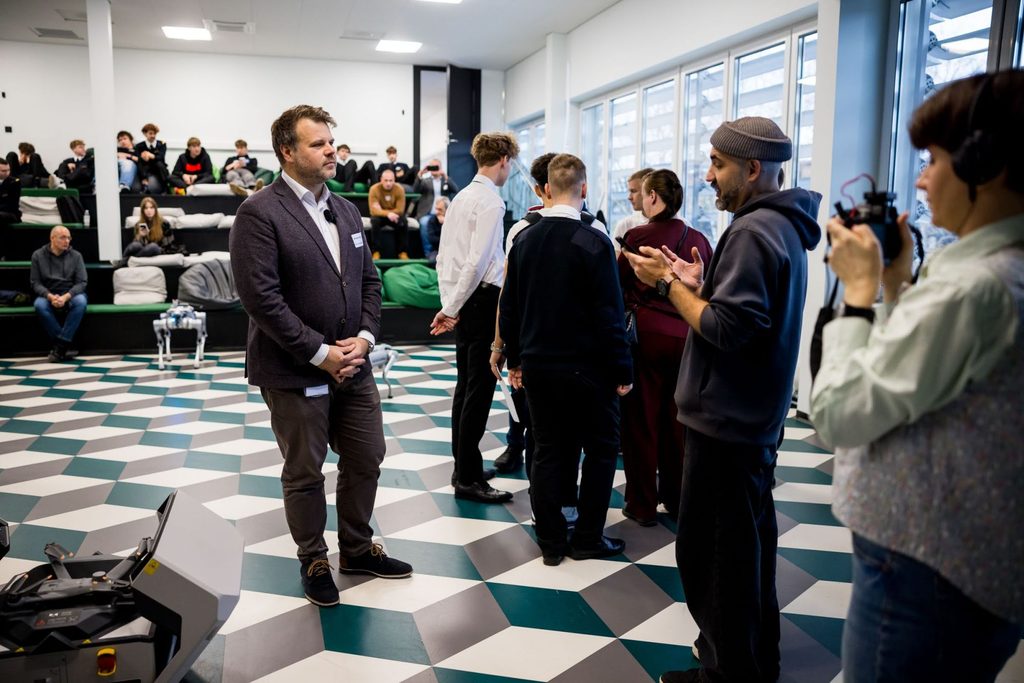
The seminar covered the evolution of robotics, from industrial robots and mobile robotic systems to humanoid robots. Speakers included Professor Kristo Vaher, Head of the Robotics Engineering curriculum at TTK UAS, representatives of Meridein Carl Purkas and Eduard Vainu, Ott Männik from Scaledrive, and Robin Valing from Rantelon. Topics included the capabilities of humanoid robots and robotic dogs, developments in drone technology, the use of robots in working environments, drone electronics and counter-drone systems.
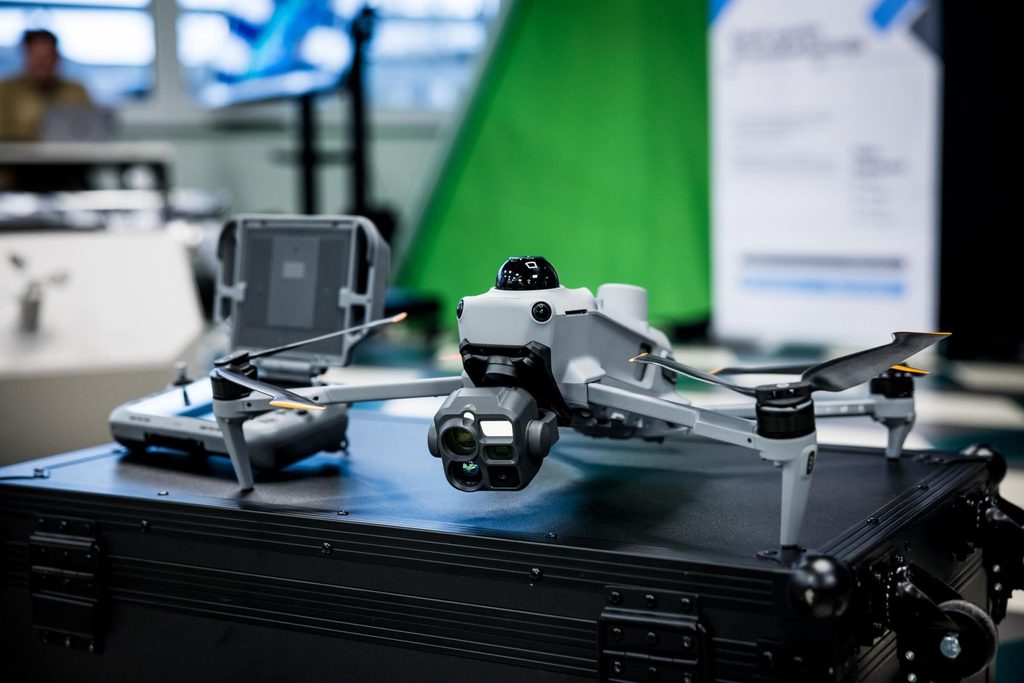
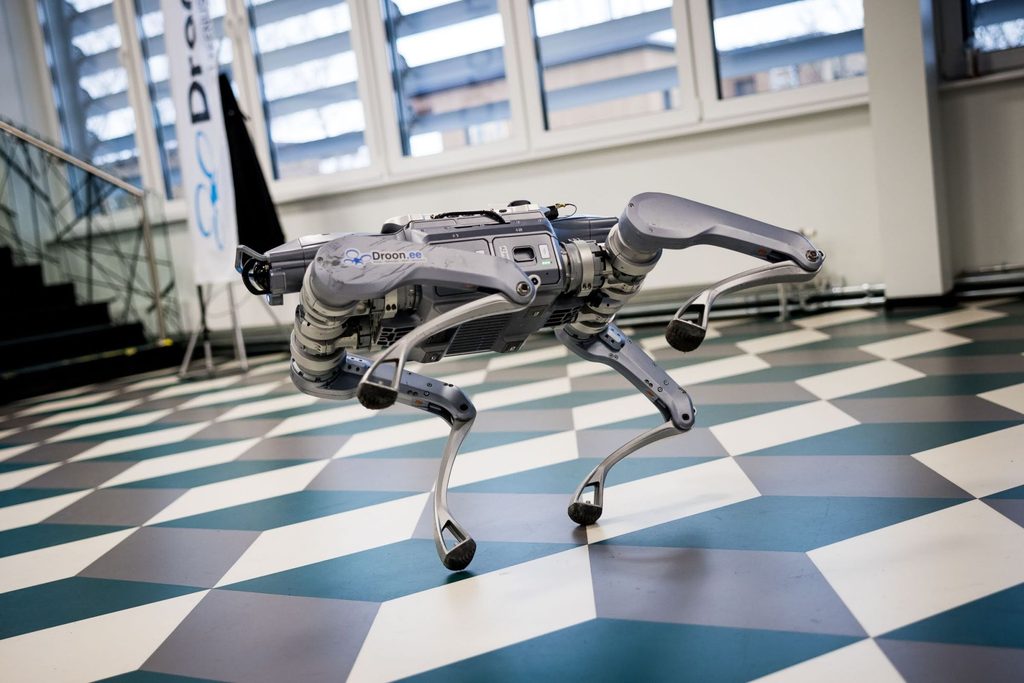
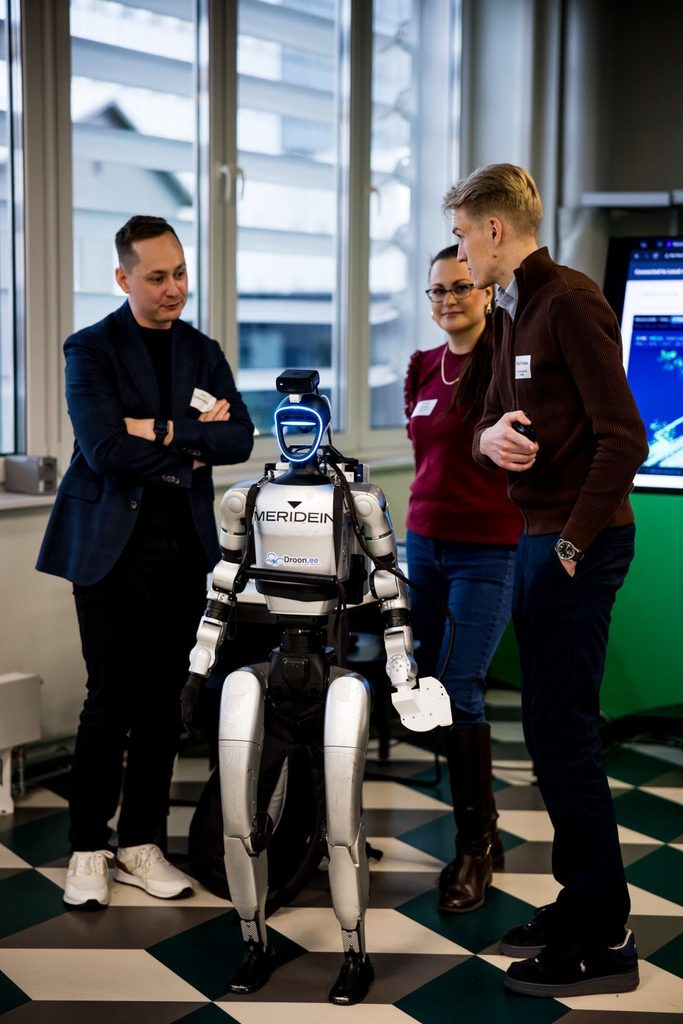
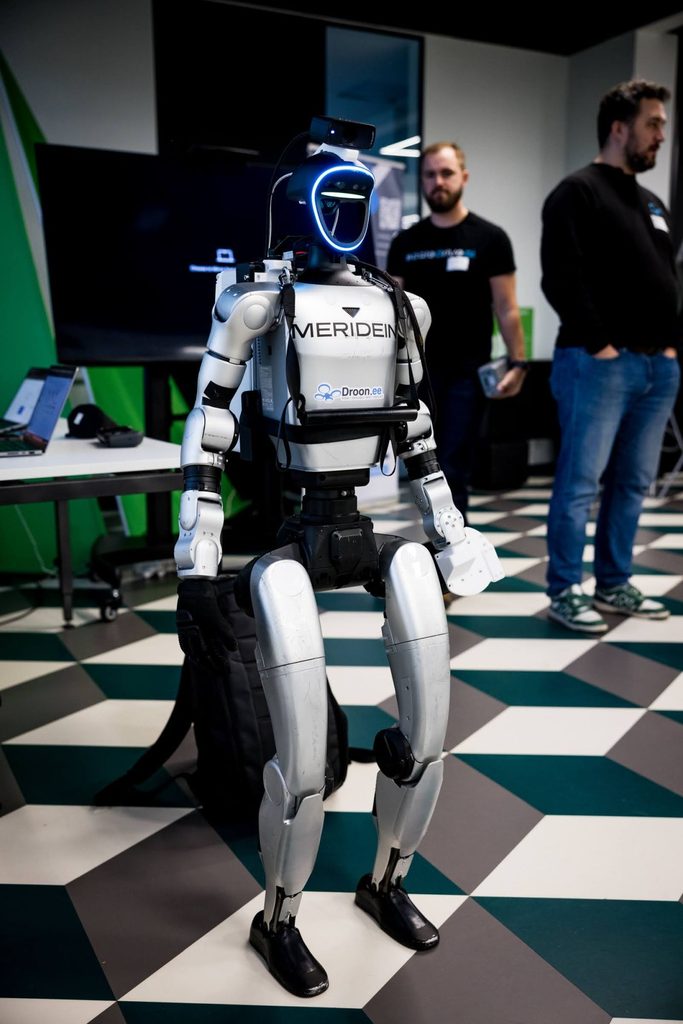
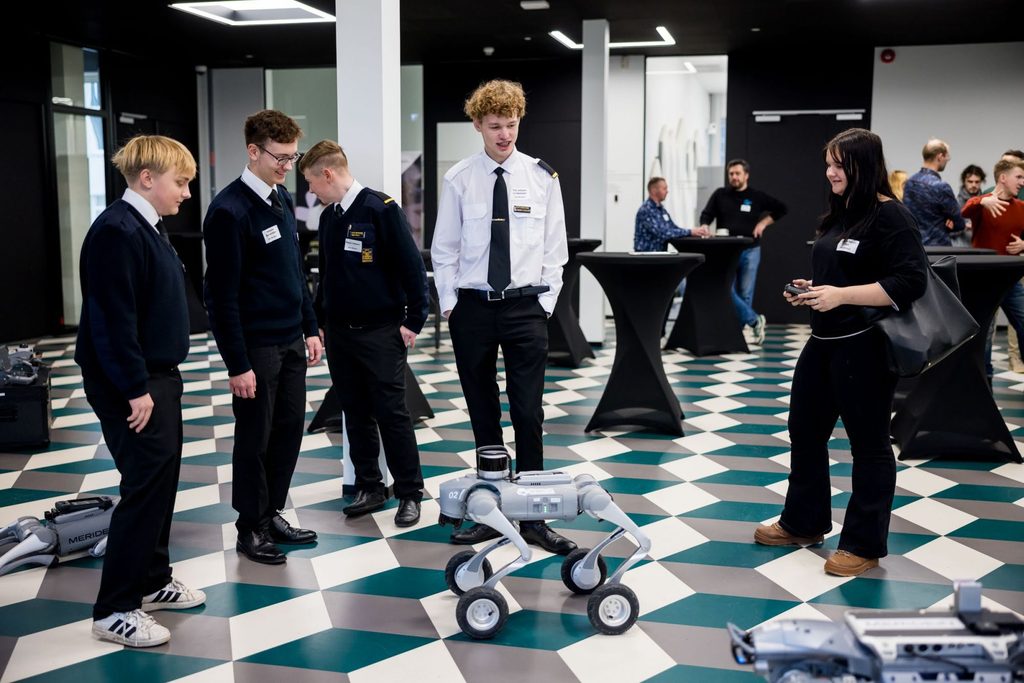
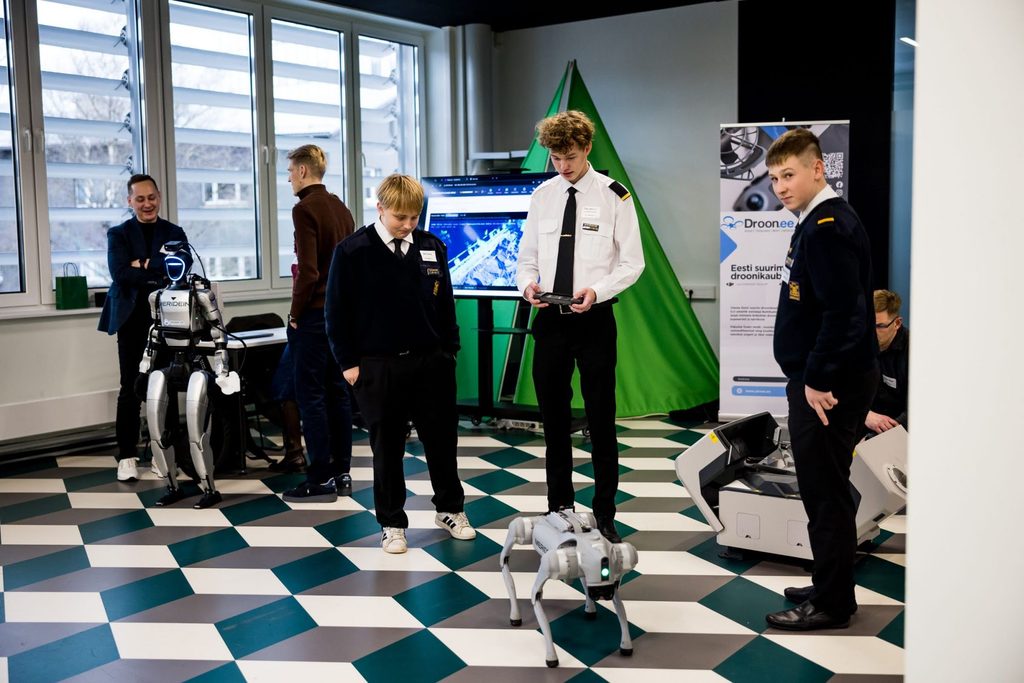
Following the presentations, participants had the opportunity to explore the technology up close in a dedicated demonstration area. They could see humanoid robots and robotic dogs in action and observe the tasks they are capable of performing.
According to Professor Kristo Vaher, Head of the Robotics Engineering curriculum at TTK UAS, robotics is a broad field encompassing industrial robots, drones, humanoids and robotic dogs. Although the technology is advancing rapidly, Estonian companies still have considerable room for improvement in adopting these solutions. Vaher noted that small and medium-sized enterprises often hesitate to introduce robots because they cannot find enough tasks to justify the investment.
Vaher explored this challenge in his doctoral research and proposed a technical solution that would allow companies to use robots more flexibly.
Eduard Vainu, Chief Operating Officer at Meridein, explained that one practical application for humanoid robots is carrying out technical inspections. Equipped with sensors and computer systems, a robot can map its surroundings and independently perform assigned tasks.
“One of the key advantages of robotic dogs is their ability to navigate their surroundings autonomously. Using sensors, they can create a 3D map of their environment, identify obstacles and people, and avoid them when necessary. They can also be equipped with various devices, such as measuring instruments or solutions for transporting loads.
Unlike unmanned aviation, the regulations governing the use of robotic dogs and humanoid robots are considerably less restrictive, which also allows for faster practical adoption,” Vainu explained.
Vainu emphasised that robotic dogs are therefore much more than just technological novelties. At the same time, Vaher pointed out that the development of humanoid robots still faces several technical challenges, including dexterity, smooth movement, environmental awareness and battery life.
View the event photo gallery HERE (photographer: Andres Mets).


